Residential water heater repair & installation
Homes in downtown Century, Alger-Sullivan, and South Century may need tank diagnosis, replacement planning, or access work around a crawl space or slab.
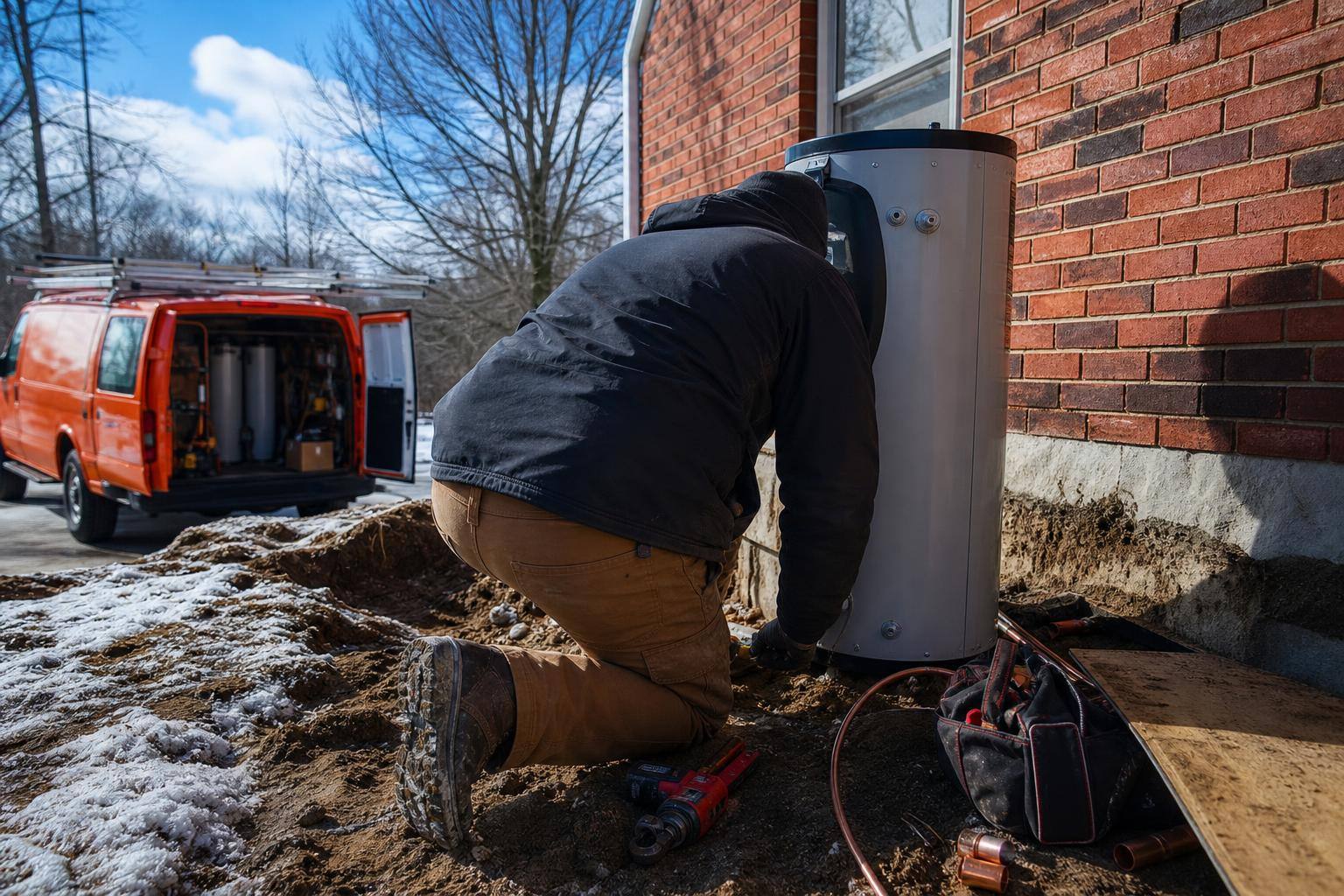
Water Heater Repair & Installation · Century, FL
A rural Century home with a tank leaking into its utility area needs a different plan than a town commercial building. One phone conversation sorts the water heater repair and installation job.
A real person answers · No forms · No waiting on a quote email
Plan
The right visit depends on the home, tank type, available fuel, and whether a Century house has a crawl space, slab, or tight utility room.
Quote
The exact quote is given on the call, based on equipment, parts, materials, access, labor, and distance from Century.
Time
The visit time is set on the call around property access, household needs, and current work conditions.
Homes around downtown Century, Alger-Sullivan, and South Century can have different access, foundations, and utility layouts. Rural properties near the Escambia County line may use septic systems and longer service routes, while Highway 29 businesses need a repair plan that keeps the work area controlled.
Services
Century
Century properties range from older homes and rural houses to small commercial buildings and active construction sites. A water heater repair and installation visit may involve checking fuel connections, shutoffs, venting, drains, the pan, and the path to the work area. Septic properties also need care around discharge and outdoor access, especially after Gulf storms leave sandy ground or standing water.
Homes in downtown Century, Alger-Sullivan, and South Century may need tank diagnosis, replacement planning, or access work around a crawl space or slab.
Century shops, offices, and service buildings need attention to demand, shutoff access, equipment placement, and keeping customers away from the work area.
New construction around Century requires coordination with unfinished utility rooms, changing site access, and the planned water, fuel, and drainage connections.
Local Century work accounts for rural driveways, sandy soil, septic properties, storm conditions, and the distance between the property and available parts.
Cost
The exact quote is given on the call after the work is described. Cost depends on the heater type and size, the fault, parts and materials, time on site, access, distance, and after-hours work.
Tank, tankless, electric, and gas equipment can require different testing, handling, connections, and materials. The existing setup in a Century home shapes the recommendation.
The needed controls, valves, connectors, drain parts, venting, pan, or replacement equipment affect the quote. Availability can matter when the property is outside central Century.
A narrow crawl space, slab utility closet, rural driveway, or standing water can add work time. Travel from Century and parking conditions are reviewed before the visit.
Diagnosis, removal, installation, cleanup, and testing take different amounts of time. Emergency conditions or after-hours work can change the service cost for an Escambia County property.
To avoid surprise charges, describe the heater, symptoms, fuel type, location, access limits, and any recent storm or water damage during the call. The quote is set from that information and the agreed scope.
What goes in
Have the heater location, fuel type, recent symptoms, and shutoff information ready. A typical Century load may include equipment, piping, fittings, and protective materials for the work area.
Keep a path open from the driveway to the heater, including crawl space or utility room access. On rural Century properties, mention gates, soft sandy ground, septic areas, and standing water.
The work is checked at the heater, connections, controls, drainage, and nearby surfaces before the area is left. Century customers should identify any remaining water damage or access concern.
Not accepted. The work does not cover unrelated plumbing, concealed structural damage, unsafe fuel conditions, contaminated water, or materials and equipment outside the agreed water heater scope.
Projects
A Century home may need diagnosis or replacement planning around a crawl space, slab utility area, rural driveway, or septic property.
Businesses along Highway 29 in Century may need equipment work coordinated with customer areas, staff access, and the building's existing utility layout.
Maintenance for Century properties includes checking connections, controls, drainage, visible corrosion, and operating concerns before a small issue becomes a larger job.
Specialist work in Escambia County can involve unusual equipment, difficult access, storm-related damage, or a rural property with limited utility-room space.
Share the heater type, symptoms, location, fuel source, property setting, and any flooding or storm exposure around the equipment.
The work plan is discussed around diagnosis, repair or installation, parts, access, testing, and conditions that could change the job.
Set the visit around household or business access, parking, pets, septic areas, and the condition of the route to the heater.
The technician checks operation, connections, shutoffs, drainage, and the work area, then reviews any remaining concern with the property owner.
Weather
Century's long hot humid season can stress equipment and make crawl spaces uncomfortable. Heavy thunderstorms and hurricane rainfall can leave yards, driveways, and septic areas wet or flooded, so outdoor access and equipment placement are reviewed before work begins.
Placement
The heater may sit in a utility room, crawl space, slab-built home, garage, or exterior service area. Century properties with sandy soil, narrow access, septic equipment, flood-prone ground, or stored belongings may limit where materials and the work vehicle can be placed.
Permits
Some water heater installations or changes may require approval or inspection from Escambia County or another local authority. The call covers the property details, whether that process applies, and who is responsible for arranging the required inspection or approval.
An Escambia County property may have HOA, covenant, landlord, or rental rules affecting equipment placement, exterior work, tenant access, or scheduling. Confirm those rules before the work is arranged, especially for managed housing.
Clear the heater, shutoffs, crawl space entry, and route from the parking area. Keep people and pets away from the work zone. After storms, report standing water, soft sandy ground, flooded septic areas, and any blocked driveway access.
Service covers downtown Century, Alger-Sullivan, South Century, residential roads near Highway 29, and rural Escambia County properties around the town. Nearby work may also be discussed for communities toward Bratt, the county line, and other close rural roads, with distance reviewed on the call.
Not sure about your street? Ask on the call and we will tell you which office handles it.
Timing
Water heater problems can surface any time in Century, but demand often rises when storms interrupt utilities, flooding reaches outdoor equipment, or long hot seasons expose aging connections. Rural properties may also need more planning after heavy rain because access, septic areas, and sandy ground can change quickly.
Heavy thunderstorms and hurricane rainfall can leave Century driveways and yards saturated. Describe standing water, fallen branches, flooded ground, or septic access limits so the visit is planned around the actual property condition.
Long hot humid weather can make utility rooms and crawl spaces harder to work in, while corrosion and connection problems become more noticeable. Keep the work area ventilated where possible and report unusual heat or moisture.
Service area
Century is part of our Escambia County coverage, and we also serve the neighboring communities below.
Why us
Century's rural properties often combine septic systems, sandy ground, long driveways, and crawl spaces. Those details affect where a water heater can be reached, how materials are moved, and whether storm water has changed the work area.
The American Dream Plumbing · Century
A property near Highway 29 may need a different access plan from a home in Alger-Sullivan or South Century. The heater's fuel source, foundation, utility-room layout, and storm exposure are reviewed before the work is scheduled.
Click Here to Call (888) 206-2089FAQs
Still have a question about Century? Call (888) 206-2089 and ask a real person.
The quote depends on heater type and size, the fault, parts and materials, time on site, access, distance, and after-hours work. Describe the equipment and its location, including crawl space or slab access, so the exact quote can be given on the call.
The right visit may be a repair, replacement installation, maintenance check, or specialist job. The recommendation depends on the heater type, symptoms, age and condition, available utilities, and the access conditions at your Century property.
The visit time is set on the call after the work and access are reviewed. Explain whether the property is in town, along a rural road, affected by flooding, or dealing with an urgent loss of hot water.
The work covers the agreed water heater repair or installation, related diagnosis, connections, controls, drainage, access, and completion checks within the reviewed scope. Have the heater location and fuel type ready so the scope can be discussed accurately.
Unrelated plumbing, concealed structural damage, unsafe fuel conditions, contaminated water, and work outside the agreed heater scope are not covered. Report leaks, slab concerns, septic issues, or storm damage separately during the call.
Some installations or changes may require approval or inspection from Escambia County or another local authority. The property details are reviewed on the call, including who is responsible for arranging any required process.
Clear the route, heater area, shutoffs, crawl space entry, and parking area, then secure pets and people away from the work zone. Mention gates, stored items, septic areas, soft ground, or standing water before scheduling.
Storms can affect access when heavy rain, flooding, wind damage, or soft sandy ground reaches the property. Report those conditions when arranging the visit so the work area, parking, and route to the heater can be assessed.
Have the heater type, fuel source, symptoms, location, shutoff information, property address, access limits, and any recent storm or water damage ready. Photos are useful if available, but the equipment details matter most.
A septic property can be considered, but the route, drain location, tank area, and ground condition must be identified before work is arranged. Keep the heater path clear and report flooded or soft areas around the septic system.
A real person answers · No forms · Every quote given on the phone