Residential water heater repair & installation
For Brooklyn brownstones, rowhouses, co-ops, and apartments, the visit accounts for basement stairs, shared halls, shutoffs, and limited equipment clearance.
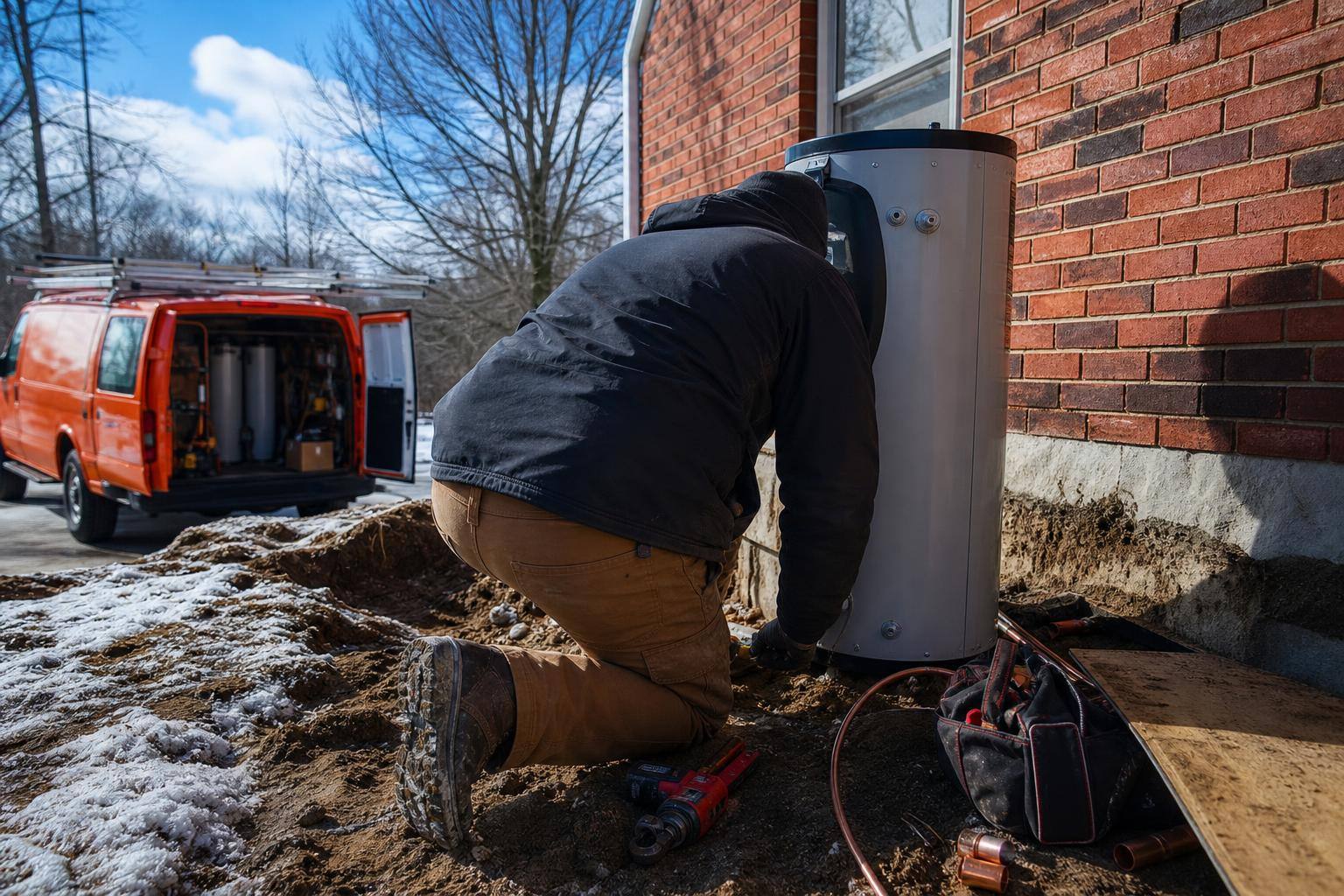
Water Heater Repair & Installation · Brooklyn, NY
A Park Slope rowhouse with a tight basement stair needs a water heater repair & installation planned around narrow access, and one phone conversation gets the job sorted.
A real person answers · No forms · No waiting on a quote email
Plan
A residential repair or replacement visit usually fits Brooklyn rowhouses, co-ops, and brownstones, while larger buildings may need a commercial scope reviewed first.
Quote
The exact quote is given on the call, based on heater type, parts, labor, access, distance, and after-hours work.
Time
The visit time is set on the call around building access, parking, tenants, and work-area readiness.
Water heater work in Brooklyn brownstones, Sunset Park rowhouses, Bay Ridge basements, and Coney Island apartments often means stairs, shared entries, tight utility rooms, and dense curb parking. The work is scoped around the actual heater location, shutoffs, venting, drainage, and the route equipment must take through the property.
Services
Brooklyn
Brooklyn housing puts water heaters in basement corners, utility closets, apartment service rooms, and spaces reached through narrow stoops or shared halls. Older rowhouses may have cramped piping and shutoffs, while new construction and commercial buildings bring different equipment and access needs. The service begins with identifying the heater, its condition, the fuel or power source, and the practical route for the work.
For Brooklyn brownstones, rowhouses, co-ops, and apartments, the visit accounts for basement stairs, shared halls, shutoffs, and limited equipment clearance.
Brooklyn restaurants, offices, and multi-unit buildings need the heater location, service access, tenant activity, and hot-water demand reviewed together.
New work in Brooklyn must be matched to the planned utility room, piping layout, access route, and other trades working around the equipment.
From Bay Ridge to Flushing Avenue corridors, local scheduling considers dense streets, curb access, rowhouse entries, and the actual work area.
Cost
The exact quote is given on the call after the job is described. Cost depends on the water heater type and size, repair or installation scope, parts and materials, time on site, access, distance, and after-hours work.
Tank, tankless, electric, and gas equipment require different labor and materials. The existing setup in a Brooklyn basement or apartment utility room changes the scope.
Valves, connectors, venting, drainage components, brackets, and replacement equipment affect cost. Available space and the condition of nearby piping matter in older Brooklyn homes.
Narrow stoops, basement stairs, shared hallways, elevator limits, and dense Brooklyn parking can change the time needed to move tools and equipment to the work area.
A diagnostic repair, planned replacement, or new installation takes different time on site. After-hours work and coordination with tenants or building staff can also affect cost.
To avoid surprise charges, describe the heater, symptoms, location, access route, parking limits, and any previous work during the call. The exact quote is given after those details are reviewed.
What goes in
Have the heater location, fuel or power type, recent symptoms, shutoff details, and any building restrictions ready. A typical Brooklyn load may involve tools moving through a narrow rowhouse basement.
Clear the route from the entrance to the heater, keep basement stairs and utility rooms open, and arrange entry through shared buildings. Dense Brooklyn curb parking may need planning for the work vehicle.
Keep the work area available until the repair or installation is checked. The operator reviews the equipment, connections, controls, and surrounding area before the Brooklyn job is considered complete.
Not accepted. Do not place personal belongings, stored materials, chemicals, pets, or people in the work area, and do not assume unrelated electrical, structural, asbestos, or building work is covered.
Projects
Brownstones in Park Slope, rowhouses in Bay Ridge, and apartments across Brooklyn may need repair or replacement planned around stairs, shared entries, and compact utility rooms.
Commercial work in Downtown Brooklyn, Sunset Park, and Kings County buildings requires attention to service access, business activity, tenant demand, and equipment placement.
Maintenance work helps inspect connections, shutoffs, controls, drainage, and visible wear before a Brooklyn apartment or commercial building faces a larger interruption.
Specialist projects in Brooklyn may involve difficult access, unusual equipment, tight piping, or coordination with building staff and other trades.
Explain the heater type, symptoms, property type, location, access route, and any leak, shutoff, venting, or power concern.
The scope is reviewed against the equipment, work area, parts, materials, access limits, and the repair or installation needed.
Set the visit around building entry, parking, tenants, superintendent availability, and the condition of the Brooklyn work area.
The finished work is checked at the heater and connected systems, with the work area reviewed before the visit is closed.
Weather
Brooklyn winter snow and freezing conditions can affect exterior access, curb parking, and exposed piping. Coastal humidity and storm flooding can leave basements damp or difficult to reach. Weather is considered when setting access and protecting the work area, but indoor heater conditions still determine the repair scope.
Placement
Water heaters in Brooklyn may sit in basements, slab-level utility rooms, crawl spaces, apartment closets, or rear service areas. Rowhouse stairs, narrow halls, shared entrances, low clearances, and dense paving can limit equipment movement. The work area needs access to the heater, shutoffs, connections, drainage, and required service space.
Permits
Some water heater replacements, gas work, venting changes, or installations may require a permit or inspection from the City of New York. The call covers which authority applies to the described work and who arranges required approvals or inspections.
Co-ops, condominiums, landlord-owned buildings, and managed properties in Kings County may require written approval, insurance documents, superintendent coordination, or restricted work hours. Check building rules before the visit is scheduled.
Keep the heater, shutoffs, access path, and nearby floor clear. Arrange legal parking or loading space for the work vehicle where possible, keep pets and people away, and account for snow, rain, damp basements, and storm-related access problems.
Coverage includes Brooklyn neighborhoods and corridors such as Park Slope, Bay Ridge, Sunset Park, Williamsburg, Greenpoint, Bushwick, Bedford-Stuyvesant, Crown Heights, Flatbush, Coney Island, and Downtown Brooklyn. Work is also arranged across Kings County where the property and access details fit the service.
Not sure about your street? Ask on the call and we will tell you which office handles it.
Timing
Brooklyn water heater problems often become urgent during winter, when cold conditions expose weak equipment and access routes become harder to manage. Summer renovations and apartment turnover can increase planned replacement work. Storm flooding and wet basement conditions also change how equipment and tools reach lower-level utility spaces.
Snow, freezing temperatures, and crowded curb space can complicate access to Brooklyn basements and service entries. Describe exposed piping, poor drainage, and any blocked route when setting the work.
Apartment renovations, tenant changes, and construction work can make summer a practical period for planned installation. Coordinate with building staff before walls, floors, or utility access are closed.
Service area
Brooklyn is part of our Kings County coverage, and we also serve the neighboring communities below.
Why us
Brooklyn rowhouses and brownstones often place water heaters below street level, reached through narrow stoops, basement stairs, or shared halls. That changes how equipment is measured, moved, protected, and connected, especially where curb parking and staging space are limited.
The American Dream Plumbing · Brooklyn
Coastal humidity, storm flooding, dense paving, and winter snow affect lower-level work across Brooklyn. A useful scope accounts for damp utility areas, exposed connections, drainage, tenant access, and the route from the street to the heater.
Click Here to Call (888) 206-2089FAQs
Still have a question about Brooklyn? Call (888) 206-2089 and ask a real person.
Water heater repair cost depends on the heater type and size, the fault, parts and materials, labor time, access, distance, and after-hours work. The exact quote is given on the call after you describe the property, heater location, symptoms, and route through the Brooklyn building.
A residential visit fits most Brooklyn houses, apartments, brownstones, and rowhouses, while commercial work fits offices, restaurants, and multi-unit buildings. Construction or specialist work may fit new utility rooms, unusual equipment, or difficult access. The property type and heater details determine the appropriate job scope.
The visit time is set on the call after the work, access, building rules, and availability are reviewed. Ask about same-day or next-day options if the situation is urgent, and describe any active leak, loss of hot water, flooding, or unsafe condition clearly.
The work covers the described water heater repair or installation, including review of the equipment, connections, shutoffs, access, and work area needed for that scope. The exact work is established on the call, especially in shared buildings or compact Brooklyn utility rooms.
It does not automatically cover unrelated electrical, structural, asbestos, wall, flooring, general building, or other trade work. Permit requirements, concealed damage, and work outside the described heater scope are reviewed separately when the Brooklyn property details are discussed.
Some replacements, gas work, venting changes, or installations may need approval or inspection from the City of New York. The call reviews the described work and explains which authority applies and who arranges required steps.
Clear the route to the heater, expose safe access to shutoffs, move stored items, and arrange keys or superintendent entry. In a Brooklyn rowhouse, that often means clearing basement stairs and the shared path from the stoop to the utility area.
Have the property type, Brooklyn neighborhood, heater location, fuel or power source, visible label details, symptoms, leak information, access limits, and building rules ready. Mention whether the heater is in a basement, closet, crawl space, commercial room, or construction area.
Brooklyn snow, freezing temperatures, coastal dampness, and storm flooding can affect exterior access, parking, basement conditions, and exposed piping. Describe wet areas, blocked entrances, snow, or flood-related damage so the visit can be planned around the actual conditions.
Access can be arranged for many Brooklyn rowhouses and basement installations, but narrow stoops, stairs, shared halls, low clearances, and curb restrictions affect the work. Provide the entrance details, stair conditions, elevator limits, parking situation, and heater dimensions during the call.
A real person answers · No forms · Every quote given on the phone